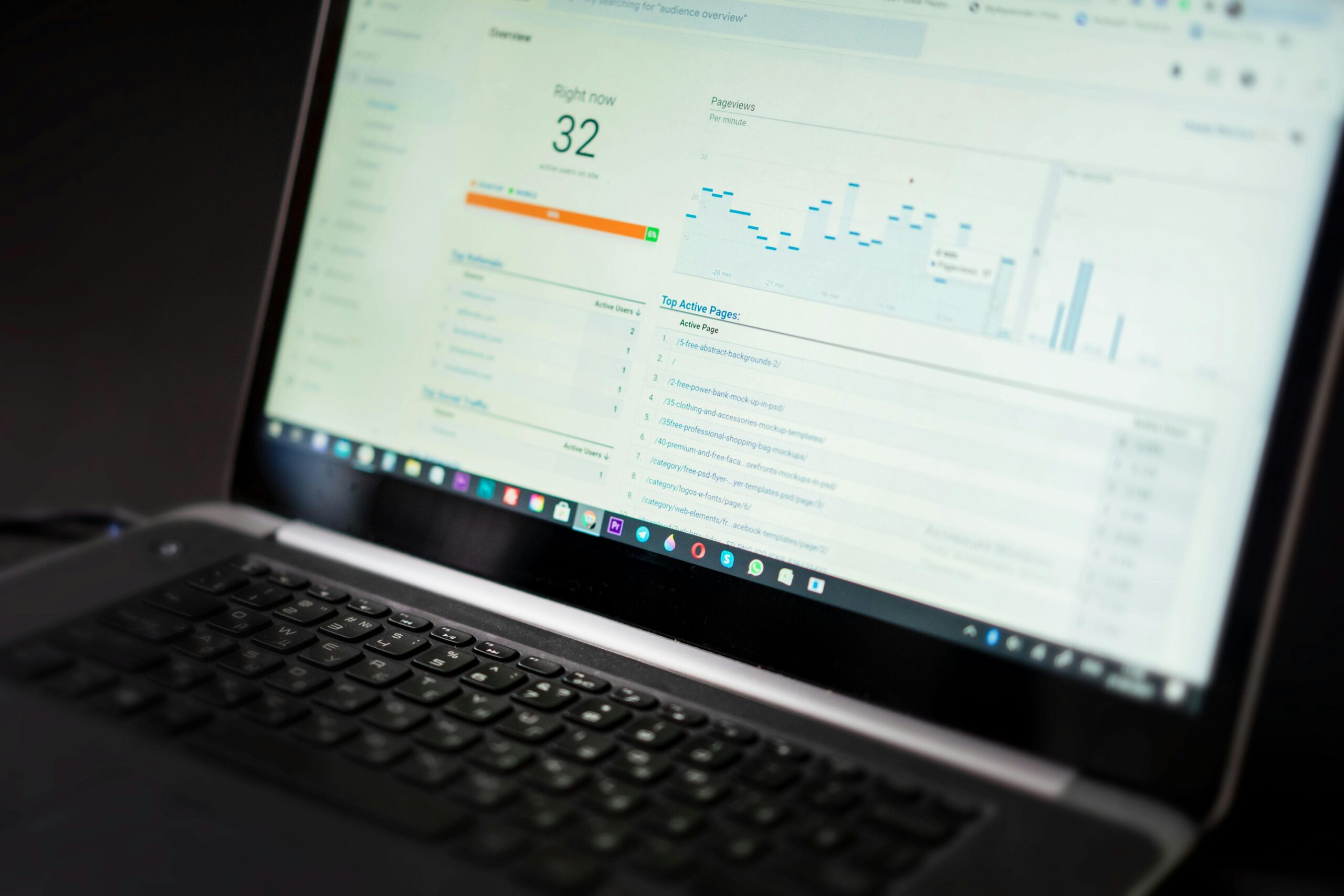
Healthcare data is evolving rapidly, and building a custom algorithm health dashboard can transform how medical professionals analyze patient information, track outcomes, and make critical decisions in real-time.

🏥 Why Healthcare Organizations Need Custom Algorithm Dashboards
The healthcare industry generates massive amounts of data daily. From electronic health records to real-time patient monitoring systems, the volume and complexity of medical information can overwhelm traditional analysis methods. Custom algorithm health dashboards solve this challenge by aggregating, processing, and visualizing data in meaningful ways that support clinical decision-making.
Unlike off-the-shelf solutions, custom-built dashboards allow healthcare organizations to tailor analytics specifically to their unique workflows, patient populations, and regulatory requirements. This personalization ensures that the metrics displayed are directly relevant to improving patient outcomes and operational efficiency.
Healthcare professionals spend approximately 16 minutes per patient on EHR-related tasks. A well-designed algorithm dashboard can reduce this time significantly by presenting only the most relevant information at the point of care, allowing clinicians to focus on what matters most: patient care.
🎯 Defining Your Dashboard’s Core Objectives
Before writing a single line of code, you must clearly define what your health dashboard aims to accomplish. Different stakeholders have different needs, and your algorithm must address specific pain points within your organization.
Identifying Key Performance Indicators
Start by conducting stakeholder interviews with physicians, nurses, administrators, and data analysts. Ask what metrics they currently track manually, what information they wish they had access to, and what decisions they make most frequently based on data.
Common healthcare KPIs include patient readmission rates, average length of stay, medication adherence scores, clinical outcome measures, and resource utilization metrics. Your custom algorithm should calculate these automatically from raw data sources.
Prioritize metrics that directly impact patient safety and quality of care. While operational efficiency matters, clinical outcomes should drive your dashboard’s primary focus. This approach ensures buy-in from medical staff who will ultimately use the system.
Understanding Your Data Sources
Healthcare data exists in multiple formats and locations. Electronic health records, laboratory information systems, pharmacy databases, and medical devices all generate valuable information. Your dashboard algorithm must integrate these disparate sources into a unified view.
Document all data sources, their formats (HL7, FHIR, CSV, API endpoints), update frequencies, and access requirements. This inventory will guide your technical architecture decisions and help identify potential integration challenges early in the development process.
🔧 Building Your Technical Foundation
The technical stack you choose will determine your dashboard’s scalability, maintainability, and performance. Healthcare applications have unique requirements around data security, compliance, and reliability that must be addressed from the ground up.
Selecting the Right Technology Stack
For the backend, Python has emerged as the preferred language for healthcare analytics due to its extensive libraries for data processing (Pandas, NumPy) and machine learning (Scikit-learn, TensorFlow). Alternatively, R provides powerful statistical capabilities particularly suited for clinical research applications.
The frontend should prioritize user experience and data visualization. React or Vue.js frameworks offer responsive interfaces, while D3.js or Plotly enable sophisticated interactive charts. Healthcare professionals need dashboards that work seamlessly on desktop computers, tablets, and mobile devices.
For the database layer, consider PostgreSQL for structured health records or MongoDB for more flexible schema requirements. Time-series databases like InfluxDB excel at handling continuous monitoring data from medical devices.
Ensuring HIPAA Compliance from Day One
Security cannot be an afterthought in healthcare applications. Your custom algorithm dashboard must comply with HIPAA regulations, GDPR if applicable, and other relevant data protection laws from the initial architecture phase.
Implement encryption for data at rest and in transit using industry-standard protocols (AES-256, TLS 1.3). Establish role-based access controls that limit data visibility based on clinical necessity. Maintain comprehensive audit logs that track every access to protected health information.
Consider deploying your dashboard on HIPAA-compliant cloud platforms like AWS (with BAA), Google Cloud Healthcare API, or Microsoft Azure for Healthcare. These platforms provide pre-configured security controls that accelerate compliant deployment.
📊 Designing Algorithms That Drive Clinical Insights
The algorithms powering your dashboard transform raw data into actionable intelligence. These computational models should reflect evidence-based clinical guidelines while adapting to your organization’s specific patient population and care protocols.
Risk Stratification Algorithms
Risk stratification helps identify patients most likely to experience adverse outcomes, enabling proactive interventions. Common algorithms include readmission risk scores, fall risk assessments, and sepsis prediction models.
Start with validated models from medical literature, then refine them using your own historical data. Machine learning techniques like logistic regression, random forests, or gradient boosting can improve prediction accuracy when trained on sufficient local data.
Your dashboard should display risk scores prominently alongside patient demographics and vital signs. Color-coding (green for low risk, yellow for moderate, red for high) provides immediate visual cues that support rapid clinical decision-making.
Trend Analysis and Anomaly Detection
Healthcare data contains patterns that indicate improving or deteriorating patient conditions. Your algorithm should automatically detect significant changes in vital signs, lab values, or medication responses that warrant clinical attention.
Implement statistical process control methods or time-series analysis to establish baseline ranges for individual patients. When new measurements fall outside expected parameters, the dashboard should generate alerts that notify appropriate care team members.
Be cautious about alert fatigue. Too many notifications desensitize users and compromise patient safety. Fine-tune your algorithm’s sensitivity thresholds based on clinical input and monitor false positive rates continuously.
💻 Step-by-Step Development Process
Building a custom health dashboard requires methodical planning and iterative development. Break the project into manageable phases that deliver incremental value while maintaining focus on the ultimate vision.
Phase One: Data Pipeline Construction
Begin by establishing reliable connections to all data sources. Create ETL (Extract, Transform, Load) processes that pull information from EHRs, labs, and other systems at appropriate intervals. Healthcare data pipelines must handle scheduled updates and real-time streaming depending on use cases.
Data cleaning consumes substantial development time in healthcare projects. Medical records contain inconsistencies, missing values, and formatting variations that require normalization. Build robust validation rules that flag data quality issues for manual review.
Test your data pipeline thoroughly with historical data before connecting to production systems. Verify that all transformations preserve data integrity and that your algorithms produce expected outputs across various patient scenarios.
Phase Two: Algorithm Implementation
Translate your clinical logic into code, starting with the simplest calculations and progressively adding complexity. Each algorithm should be modular, well-documented, and unit-tested to ensure accuracy and facilitate future modifications.
Collaborate closely with clinical staff during this phase. Medical professionals should validate that algorithm outputs make clinical sense and align with their understanding of patient conditions. This collaboration prevents costly rework and builds user confidence.
Version control becomes critical as algorithms evolve. Use Git to track changes, document why modifications were made, and maintain the ability to roll back if issues emerge. Healthcare organizations may need to demonstrate algorithm provenance for regulatory purposes.
Phase Three: Dashboard Interface Development
Design your user interface with healthcare workflows in mind. Busy clinicians need information presented efficiently without excessive clicking or searching. Place the most critical metrics prominently, with detailed data accessible through intuitive navigation.
Create role-specific views that display relevant information for physicians, nurses, case managers, and administrators. A physician might need detailed clinical data, while an administrator focuses on operational metrics and resource utilization.
Incorporate user feedback through iterative prototyping. Build a minimum viable product (MVP) with core functionality, deploy it to a small user group, gather feedback, and refine before broader rollout. This agile approach prevents large-scale deployment of poorly received features.
🧪 Testing and Validation Strategies
Healthcare applications demand rigorous testing beyond typical software quality assurance. Lives depend on accurate calculations and reliable performance, making comprehensive validation non-negotiable.
Clinical Validation
Work with medical directors or chief quality officers to establish validation criteria. Compare algorithm outputs against manual calculations performed by clinical experts using identical input data. Discrepancies must be investigated and resolved before production deployment.
Conduct retrospective analysis using historical patient data where outcomes are known. If your readmission algorithm would have identified 85% of patients who were readmitted within 30 days, document this performance baseline and set targets for improvement.
Consider engaging external clinical validators or regulatory consultants for high-risk algorithms. Their independent assessment adds credibility and may be required for certain applications involving diagnostic or treatment recommendations.
Performance and Stress Testing
Healthcare dashboards must perform reliably under various load conditions. Simulate peak usage scenarios where multiple users access the system simultaneously while data pipelines process large batches of incoming information.
Establish performance benchmarks for key operations. Dashboard pages should load within two seconds, algorithm calculations should complete within acceptable timeframes, and the system should gracefully handle temporary data source outages without crashing.
Monitor system resources continuously during testing. Identify memory leaks, inefficient database queries, or algorithm bottlenecks that could compromise performance. Optimize code and infrastructure before these issues impact end users.
🚀 Deployment and Change Management
Technical excellence alone doesn’t guarantee adoption. Successful dashboard deployment requires careful change management that addresses the human factors of introducing new technology into clinical workflows.
Training and Onboarding
Develop comprehensive training materials including video tutorials, quick reference guides, and hands-on workshops. Different learning styles require varied instructional approaches, so offer multiple paths for users to gain proficiency.
Identify super-users or clinical champions within each department who can provide peer support and reinforce training concepts. These advocates bridge the gap between development teams and end users, translating technical features into clinical benefits.
Create a support infrastructure for questions and issues. Whether through help desk tickets, dedicated support staff, or office hours with the development team, users need reliable assistance as they adapt to the new system.
Phased Rollout Strategy
Avoid organization-wide deployments that risk overwhelming users and support resources. Start with a pilot unit where staff are enthusiastic about innovation and can provide constructive feedback without impacting critical services.
Monitor usage patterns and gather feedback during the pilot phase. Are users logging in regularly? Which features see the most engagement? What complaints or suggestions emerge consistently? Use these insights to refine the dashboard before broader deployment.
Expand gradually to additional departments or facilities, applying lessons learned from each implementation. This measured approach allows you to address unique departmental needs while maintaining momentum toward full organizational adoption.
📈 Measuring Success and Iterating
Dashboard development doesn’t end at deployment. Continuous monitoring, evaluation, and enhancement ensure your custom algorithm health dashboard delivers sustained value and adapts to evolving healthcare needs.
Establishing Success Metrics
Define quantifiable measures that indicate whether your dashboard achieves its intended objectives. User adoption rates, time spent analyzing data, decisions influenced by dashboard insights, and clinical outcome improvements all serve as valid success indicators.
Compare pre- and post-implementation performance on key metrics. If your dashboard aims to reduce readmissions, track readmission rates before and after deployment, controlling for other variables that might influence this outcome.
Collect qualitative feedback through surveys, interviews, and usage analytics. Understanding why users appreciate certain features or avoid others provides context that raw numbers cannot convey and guides future development priorities.
Continuous Algorithm Refinement
Machine learning models require retraining as patient populations change and new medical evidence emerges. Establish processes for periodic algorithm review and updating based on current data and clinical guidelines.
Monitor algorithm performance over time. Accuracy may degrade if the underlying patient population shifts or if data quality issues emerge. Set up automated alerts when algorithm outputs deviate from expected patterns, triggering investigation and potential recalibration.
Stay informed about advances in healthcare analytics and emerging algorithms relevant to your use cases. The field evolves rapidly, and incorporating new methodologies keeps your dashboard at the cutting edge of clinical decision support.

🌟 Transforming Healthcare Through Custom Analytics
Building a custom algorithm health dashboard represents a significant investment of time, resources, and expertise. However, the potential returns in improved patient outcomes, operational efficiency, and clinical satisfaction make this investment worthwhile for forward-thinking healthcare organizations.
Your custom dashboard becomes a competitive advantage, differentiating your organization through superior data utilization and evidence-based care delivery. As healthcare moves toward value-based payment models, the ability to track, analyze, and improve quality metrics will increasingly determine organizational success.
The journey from concept to fully deployed dashboard involves challenges, setbacks, and learning opportunities. Embrace this iterative process, maintain close collaboration with clinical stakeholders, and remain focused on the ultimate goal: leveraging data to improve patient care.
Start small, prove value quickly, and expand methodically. Even a simple dashboard that solves one critical pain point can generate enthusiasm and support for more ambitious analytics initiatives. Build momentum through early wins, and your custom health dashboard will evolve into an indispensable tool that truly revolutionizes how your organization manages healthcare data.