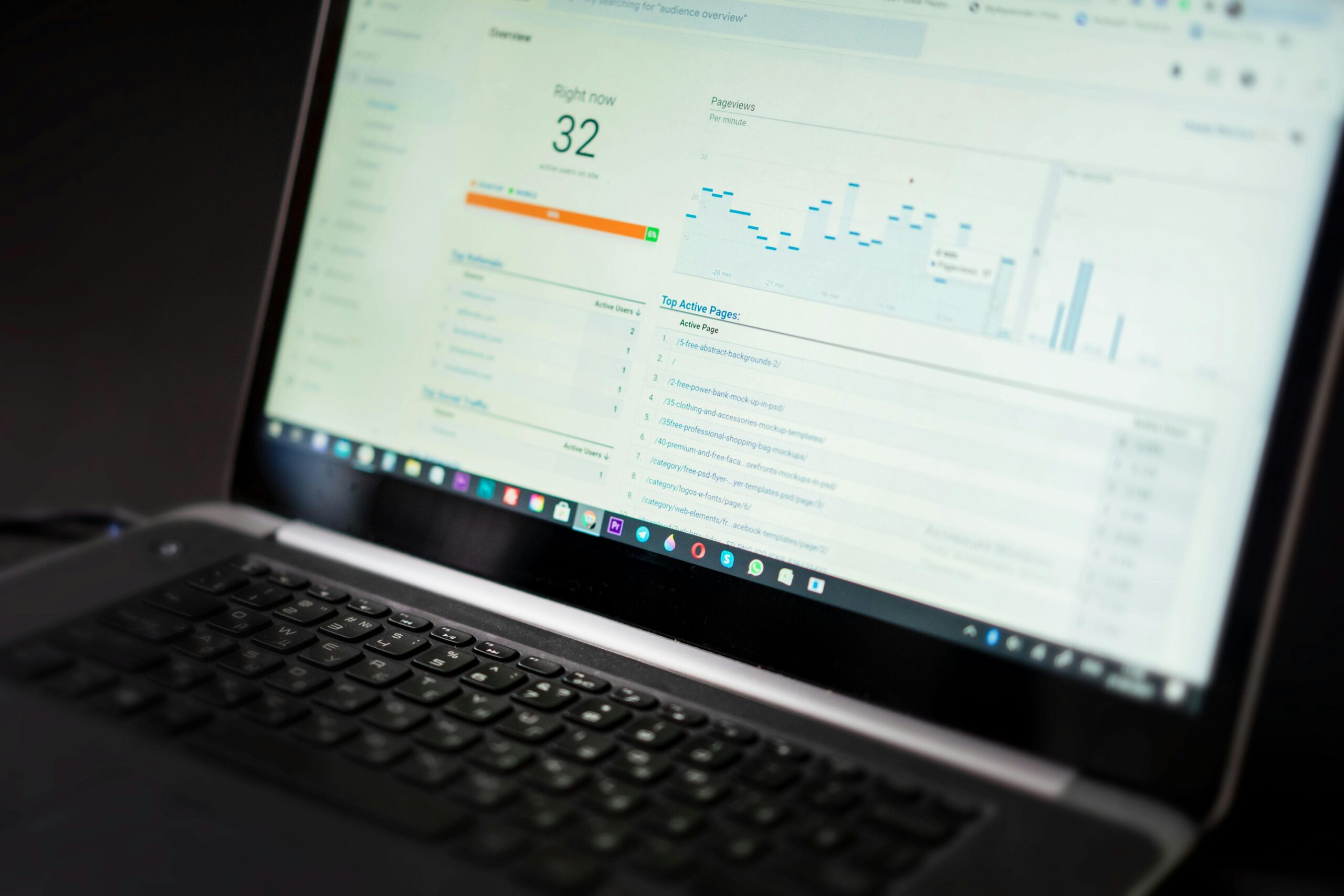
Modern health diagnostics are evolving rapidly, and implementing advanced logging strategies can significantly enhance your ability to monitor, analyze, and optimize your wellness journey effectively.

🔬 The Revolution in Personal Health Data Collection
The landscape of health diagnostics has transformed dramatically over the past decade. What once required multiple visits to healthcare facilities can now be tracked continuously through sophisticated logging methods. These cutting-edge strategies enable individuals to capture comprehensive health data that provides unprecedented insights into their physiological patterns, behavioral trends, and overall wellness trajectory.
Health logging encompasses far more than simple symptom tracking. It involves the systematic collection of biometric data, lifestyle factors, environmental influences, and subjective experiences that collectively paint a complete picture of your health status. When implemented correctly, these logging strategies become powerful diagnostic tools that can detect patterns invisible to occasional medical examinations.
The integration of technology with traditional health monitoring has created opportunities for precision medicine approaches that were previously impossible. By maintaining detailed, accurate logs of various health parameters, individuals and their healthcare providers can make data-driven decisions that lead to better outcomes and more personalized treatment plans.
📊 Understanding Multi-Dimensional Health Logging
Effective health diagnostics require capturing data across multiple dimensions simultaneously. Single-parameter tracking provides limited value compared to comprehensive logging systems that monitor interconnected health factors. The true power emerges when you can correlate sleep quality with cognitive performance, nutritional intake with energy levels, or stress patterns with physical symptoms.
Multi-dimensional logging creates a health matrix that reveals relationships between seemingly unrelated factors. For instance, digestive issues might correlate with sleep disruption, which connects to increased stress levels, which relates to dietary choices. Without systematic logging across all these dimensions, these connections remain hidden, and diagnostic efforts focus on isolated symptoms rather than root causes.
Essential Health Dimensions to Monitor
Comprehensive health logging should incorporate several key categories of information. Physical metrics include vital signs like heart rate, blood pressure, body temperature, and respiratory rate. Metabolic indicators encompass blood glucose levels, weight fluctuations, and body composition changes. Sleep architecture deserves dedicated attention, tracking not just duration but quality phases and disturbances.
Mental and emotional states constitute another crucial dimension. Mood variations, stress levels, cognitive clarity, and emotional resilience all impact physical health outcomes. Nutritional logging extends beyond calorie counting to include macronutrient ratios, micronutrient intake, hydration status, and meal timing patterns.
Activity and movement data provide insights into energy expenditure, exercise intensity, sedentary periods, and recovery patterns. Environmental factors such as air quality, light exposure, temperature, and noise levels also influence health outcomes and warrant systematic logging.
⚡ Advanced Biometric Tracking Technologies
Modern wearable devices have revolutionized continuous health monitoring by providing real-time biometric data throughout daily activities. These technologies measure heart rate variability, oxygen saturation, skin temperature, galvanic skin response, and movement patterns with remarkable accuracy. The continuous nature of this data collection eliminates recall bias and captures variations that occur during different activities and times of day.
Smart devices now incorporate advanced sensors that can detect irregular heart rhythms, monitor blood oxygen levels during sleep, track stress responses through heart rate variability analysis, and even estimate blood pressure trends. This passive data collection requires minimal user effort while generating extensive diagnostic information.
The integration of artificial intelligence with wearable technology enables predictive analytics that can identify concerning trends before they become serious health issues. Machine learning algorithms analyze patterns across thousands of data points to detect anomalies that might indicate developing conditions requiring medical attention.
Selecting the Right Tracking Devices
Choosing appropriate health logging technology depends on your specific diagnostic goals and health priorities. Medical-grade devices offer superior accuracy but may cost significantly more than consumer wellness trackers. Consider which metrics matter most for your health objectives and select devices validated for those specific measurements.
Compatibility and data integration capabilities are essential factors. Your logging ecosystem works best when different devices and applications can share data seamlessly, creating a unified health profile rather than isolated data silos. Look for platforms that support open standards and allow data export for long-term archival and analysis.
🧠 Cognitive and Mental Health Logging Strategies
Mental health significantly impacts physical wellness, yet cognitive and emotional states often receive inadequate attention in health logging systems. Implementing structured methods for tracking mental health parameters provides critical diagnostic information that complements physical measurements.
Mood tracking applications enable systematic recording of emotional states throughout the day, creating patterns that reveal triggers, cycles, and correlations with other health factors. These tools often incorporate validated psychological assessment scales that quantify subjective experiences, making them comparable over time and useful for clinical evaluation.
Cognitive performance metrics such as reaction time, memory recall, focus duration, and decision-making quality can be logged through brief daily assessments. These measurements often serve as early indicators of sleep deprivation, nutritional deficiencies, or emerging health conditions before physical symptoms become apparent.
Stress Response Monitoring
Chronic stress drives numerous health problems, making stress logging a vital component of comprehensive health diagnostics. Beyond subjective stress ratings, physiological stress markers provide objective measurements of your body’s stress response patterns.
Heart rate variability serves as an excellent stress biomarker, reflecting the balance between your sympathetic and parasympathetic nervous systems. Consistent monitoring reveals how well you recover from stressful events and whether chronic activation is depleting your adaptive capacity. Cortisol patterns, when tracked through appropriate testing, show your hormonal stress response and can identify dysregulation requiring intervention.
🍎 Nutritional Logging for Diagnostic Precision
Detailed nutritional logging transforms vague dietary awareness into precise diagnostic data. While basic calorie tracking provides limited value, comprehensive nutritional logging captures the complex relationships between food intake and health outcomes.
Advanced nutritional logging documents not just what you eat but when you eat, how you feel afterward, and the context surrounding eating events. This information reveals food sensitivities, identifies optimal meal timing for your metabolism, and uncovers emotional eating patterns that impact health outcomes.
Micronutrient tracking deserves particular attention since deficiencies often manifest as nonspecific symptoms that puzzle conventional diagnostics. By logging detailed nutritional intake and correlating it with symptom patterns, you can identify potential deficiencies before laboratory tests confirm them.
Integration with Metabolic Markers
Combining nutritional logs with metabolic measurements like blood glucose monitoring creates powerful diagnostic insights. Continuous glucose monitors reveal how specific foods affect your blood sugar, helping identify insulin resistance, optimal carbohydrate tolerance, and ideal macronutrient ratios for metabolic health.
These correlations enable personalized nutrition strategies based on your unique metabolic responses rather than generic dietary guidelines. The data shows which foods stabilize your energy, which cause crashes, and how meal timing influences your metabolic efficiency throughout the day.
💤 Sleep Architecture and Recovery Logging
Sleep profoundly influences every aspect of health, making detailed sleep logging essential for comprehensive diagnostics. Modern sleep tracking extends beyond simple duration measurements to analyze sleep architecture, including time spent in different sleep stages, disruption frequency, and recovery quality.
Advanced sleep logging devices monitor multiple parameters simultaneously: movement patterns, heart rate variations, respiratory rate, body temperature fluctuations, and environmental conditions. This comprehensive approach identifies specific sleep issues like sleep apnea, restless leg syndrome, or circadian rhythm disorders that might otherwise go undetected.
Correlating sleep data with daytime performance metrics reveals the true impact of sleep quality on cognitive function, mood stability, physical performance, and metabolic health. These relationships guide interventions targeting sleep optimization for maximum health benefits.
📱 Leveraging Mobile Health Applications
Smartphone applications have democratized health logging, making sophisticated tracking accessible to everyone. The most effective apps integrate multiple data sources, provide intuitive interfaces for manual entries, and generate visualizations that reveal meaningful patterns.
Specialized health logging applications cater to specific conditions or health goals. Chronic disease management apps help track symptoms, medications, and treatment responses. Fitness applications monitor exercise performance and progression. Mental health apps facilitate mood tracking and provide coping resources. Selecting applications aligned with your diagnostic priorities ensures relevant data collection without overwhelming complexity.
Data Security and Privacy Considerations
Health data represents some of your most sensitive personal information, making security and privacy paramount concerns. Before committing to any logging platform, investigate its data protection policies, encryption standards, and user rights regarding data ownership and deletion.
Consider whether cloud storage or local storage better serves your privacy preferences. While cloud platforms offer convenience and backup security, local storage provides greater control over data access. Some individuals maintain redundant logging systems to ensure data preservation while maintaining privacy.
🔄 Creating Sustainable Logging Habits
The diagnostic value of health logging depends entirely on consistency and accuracy. Sporadic logging generates incomplete data that obscures patterns rather than revealing them. Building sustainable logging habits requires balancing comprehensiveness with practicality to avoid burnout.
Start with core metrics most relevant to your health priorities rather than attempting to track everything simultaneously. Gradually expand your logging practices as initial habits become automatic. Automation through connected devices reduces manual effort, improving adherence while maintaining data quality.
Schedule specific times for manual logging entries to establish routine patterns. Morning reviews can capture sleep quality and morning vitals, while evening sessions document nutrition, activities, and subjective experiences. Consistency in timing improves data quality and pattern recognition.
Overcoming Logging Fatigue
Even enthusiastic health loggers eventually experience fatigue from constant monitoring and recording. Recognizing this challenge and implementing strategies to maintain motivation ensures long-term success with your logging practices.
Periodically review your accumulated data to appreciate patterns and progress, reinforcing the value of your logging efforts. Set specific diagnostic goals that give purpose to your data collection activities. Consider intermittent intensive logging periods followed by maintenance phases that track only essential metrics.
📈 Analyzing Logged Data for Actionable Insights
Raw data holds little value without analysis that transforms numbers into actionable health insights. Effective analysis identifies trends, correlations, and anomalies that guide health optimization strategies and inform medical consultations.
Regular data reviews should examine both short-term variations and long-term trends. Daily fluctuations often reflect temporary factors, while weekly and monthly patterns reveal more significant health dynamics. Seasonal variations might indicate environmental sensitivities or circadian rhythm shifts that require attention.
Correlation analysis reveals relationships between different health parameters. Statistical tools can quantify how strongly different factors relate to each other, helping identify causative relationships versus coincidental associations. These insights guide targeted interventions addressing root causes rather than superficial symptoms.
Sharing Data with Healthcare Providers
Comprehensive health logs dramatically enhance medical consultations by providing objective data that supplements subjective symptom descriptions. Presenting organized, visualized health data helps physicians understand your health patterns quickly and make more informed diagnostic and treatment decisions.
Prepare data summaries highlighting key patterns, concerning trends, and specific questions for your healthcare provider. Most physicians appreciate concise data presentations rather than overwhelming raw information. Focus on clinically relevant metrics and significant changes that warrant professional evaluation.
🎯 Optimizing Your Personal Logging Strategy
No single logging approach works optimally for everyone. Your ideal strategy depends on your health status, diagnostic goals, technical comfort, available resources, and lifestyle factors. Personalizing your logging system ensures it serves your specific needs while remaining sustainable long-term.
Individuals managing chronic conditions benefit from intensive logging focused on disease-specific parameters and treatment responses. Athletes optimize performance through detailed training, recovery, and nutrition logs. Those pursuing preventive health might emphasize broad wellness metrics with less intensive tracking.
Experiment with different tools, techniques, and tracking frequencies to discover what works best for your situation. Regularly evaluate whether your logging practices provide valuable insights or simply create busywork. Adjust your approach based on results and changing health priorities.
🌟 The Future of Health Diagnostics Through Logging
Emerging technologies promise even more powerful health logging capabilities. Implantable biosensors will provide continuous monitoring of blood chemistry, detecting disease markers in real-time. Advanced artificial intelligence will analyze complex health data patterns to predict health events before symptoms appear.
Integration of genomic data with lifestyle logging will enable truly personalized medicine, tailoring recommendations to your unique genetic predispositions. Blockchain technology may solve privacy concerns while enabling secure health data sharing across healthcare systems.
The convergence of these technologies will transform health diagnostics from reactive symptom treatment to proactive wellness optimization. Individuals equipped with comprehensive health logging systems will partner with healthcare providers in unprecedented ways, driving better outcomes through data-informed decision-making.
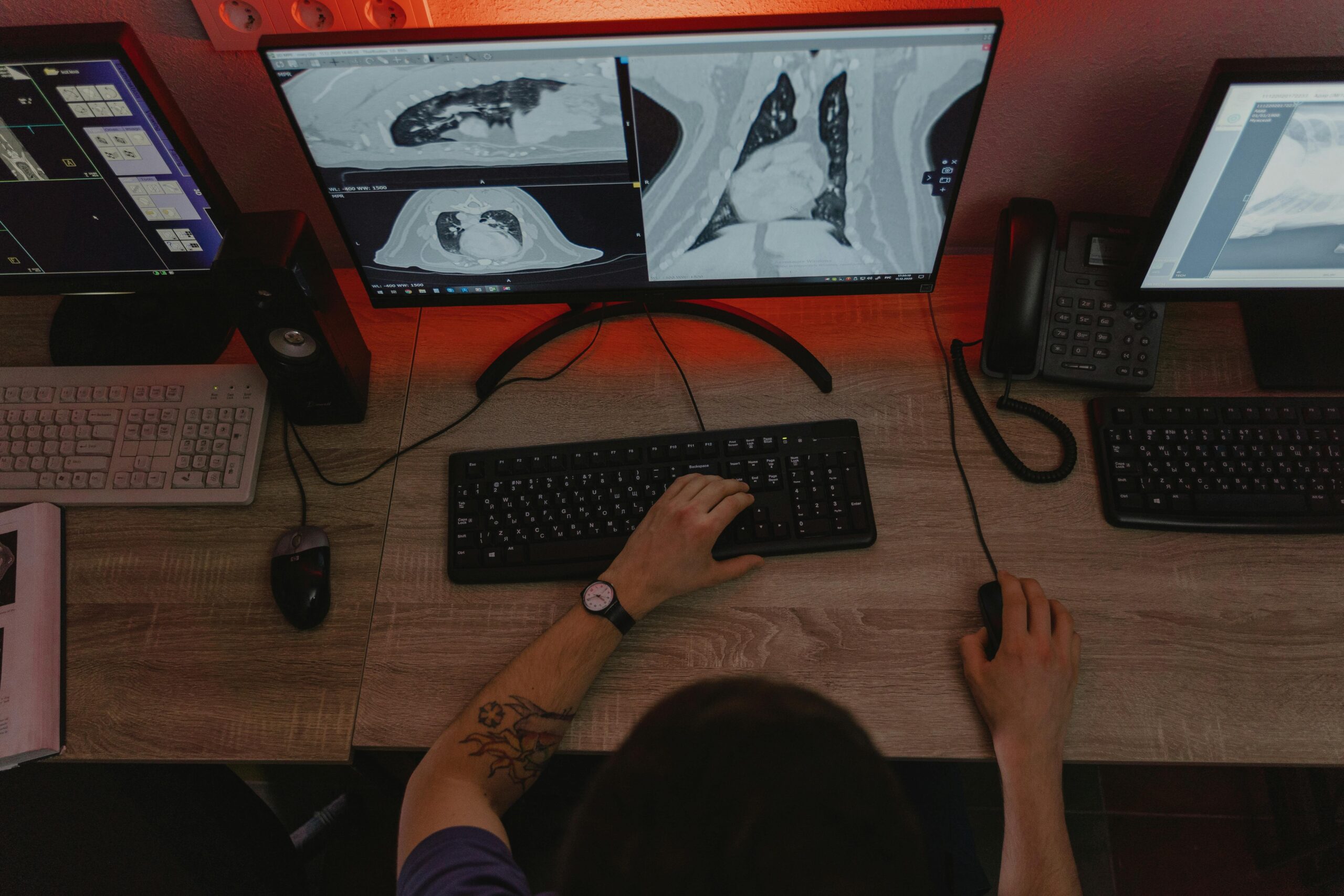
🏆 Transforming Data Into Wellness Success
Maximizing health diagnostics through cutting-edge logging strategies requires commitment, consistency, and strategic implementation. The investment of time and effort yields substantial returns through earlier problem detection, personalized optimization strategies, and empowered health management.
Your health logging journey begins with clear objectives and appropriate tools, progresses through consistent data collection and analysis, and culminates in actionable insights that guide meaningful health improvements. Each logged data point contributes to a comprehensive understanding of your unique physiology and health patterns.
The power of advanced health logging lies not in the technology itself but in how you apply the insights generated. Data without action provides little benefit, but informed interventions based on solid evidence create lasting health transformations. By embracing comprehensive logging strategies, you gain unprecedented visibility into your health status and the knowledge needed to optimize your wellness journey effectively.
Start where you are with the resources available, and gradually build a logging system that serves your evolving health priorities. The diagnostic clarity gained through systematic health logging represents one of the most valuable investments you can make in your long-term wellness and quality of life.